 WillBet: Elevate Your Betting Experience
Comprehensive Willbet Casino States Map Showing Legal Gambling Areas and Regulations Across the United States
Introduction to Gambling Regulations in the United States
The landscape of gambling regulations across the United States is a complex, ever-evolving tapestry shaped by individual state laws, federal statutes, and historical precedents. Unlike many countries where gambling may be broadly legal or banned nationwide, the U.S. allows each state to determine its own stance on gambling activities, resulting in a patchwork of legality and regulation. This article presents a comprehensive overview of the current legal gambling areas in the U.S., utilizing the Willbet Casino States Map to illustrate the varied regulations implemented by each state. Understanding these distinctions can be beneficial for players, operators, policymakers, and those interested in the economics and social implications of legalized gaming.
Historical Context of Gambling Legality in the U.S.
The history of gambling in the United States dates back to colonial times, with early settlers engaging in various betting activities. However, as the country matured, attitudes toward gambling became ambivalent, leading to periods of strict prohibition punctuated by gradual legalization. Notably, the early 20th century saw widespread bans on gambling, driven by moral, religious, and social concerns. The mid to late 1900s marked a turning point as states began to legalize and regulate gaming to generate tax revenue and control illicit markets.

Native American tribes also play a crucial role in the gambling landscape through sovereignty rights, enabling them to operate casinos on tribal lands under the Indian Gaming Regulatory Act (IGRA) of 1988. This law carved out a federal framework supporting tribal gaming operations, which often serve as significant economic hubs for indigenous communities.

Overview of the Willbet Casino States Map
The Willbet Casino States Map is an interactive tool designed to provide detailed information regarding which states have legalized forms of gambling, including casino betting, sports wagering, online gaming, and lotteries. The map uses visual indicators to highlight legal zones, types of gambling permitted, and the regulatory body governing these activities.
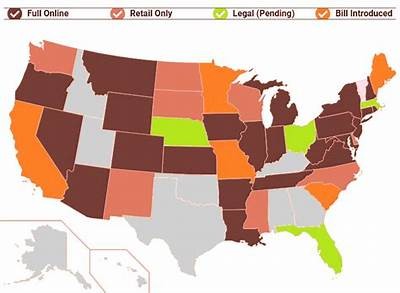
Key features of the Willbet map include:
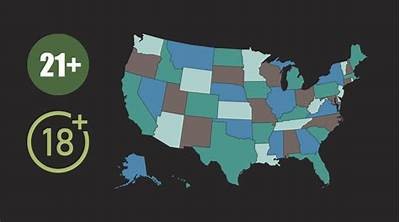
- Colored demarcations showing states with full casino legalization, limited forms of gambling, or outright prohibitions.
- Information on online gambling legality, including real-money online casinos and sports betting platforms.
- Details on tribal versus commercial gambling operations within states.
- Updates on recent changes or pending legislative actions related to gambling laws.
By leveraging this resource, stakeholders can make informed decisions and better understand the dynamic nature of legalized gambling across the country.
States with Fully Legalized Casino Gambling
Several states have fully embraced casino gambling, both commercial and tribal, creating vibrant gaming industries. Among the most well-known jurisdictions are Nevada and New Jersey, widely recognized for their iconic gaming hubs in Las Vegas and Atlantic City, respectively. These states offer a mix of brick-and-mortar casinos, sportsbooks, and online gaming platforms.
Other states such as Pennsylvania, Michigan, and Illinois have rapidly expanded their gambling markets in recent years by licensing multiple casinos and supporting online gambling operations. These states benefit from significant tax revenues, job creation, and tourism growth thanks to their legalized casino markets.
The regulatory frameworks in fully legalized states typically encompass strict licensing requirements, consumer protections, anti-money laundering measures, and responsible gambling initiatives. State gaming commissions or control boards are tasked with oversight and enforcement to ensure a safe and fair gambling environment.
States with Limited or Restricted Gambling
Not all states permit full-scale casino gambling. Many allow limited forms such as charitable gaming, pari-mutuel betting on horse and dog racing, or state-run lotteries. For example, states like Massachusetts and Rhode Island have introduced casinos to a limited degree, while others focus primarily on lottery revenues.
Some states permit only social gambling or house-banked card rooms but prohibit large casino operations. Others allow sports wagering exclusively either through retail sportsbooks or online platforms, reflecting the growing popularity and regulatory interest in legalized sports betting following the 2018 Supreme Court decision in Murphy v. NCAA, which struck down federal prohibitions on state sports betting.
States Maintaining Gambling Prohibitions
Despite the economic allure of gambling legalization, several states maintain prohibitive stances due to cultural, religious, or political reasons. States such as Utah and Hawaii have comprehensive bans on most forms of gambling, citing potential social harms and conflicting public sentiments.
In these states, gambling-related activities generally remain underground or are channeled out-of-state, limiting state tax revenues from legal gambling operations but maintaining local prohibitions. Legislative attempts to introduce controlled or limited gambling are often met with significant opposition.
The Rise of Online Gambling and Its Regulation
Online gambling has dramatically transformed the U.S. market in the past decade. Initially restricted on a federal level by laws such as the Unlawful Internet Gambling Enforcement Act (UIGEA) of 2006, online sports betting and casino games have gained traction following state-level legalization efforts.
States like New Jersey, Pennsylvania, Michigan, and West Virginia have launched regulated real-money online casinos and sportsbooks, often under the same regulatory umbrellas that govern physical casinos. Online gambling offers convenience and expanded access, though it also raises concerns about addiction, underage gambling, and regulatory enforcement.
The Willbet Casino States Map highlights the growing number of states embracing online platforms, showcasing the complex patchwork where online gambling may be legal in one state but prohibited or unregulated in the next.
Impact of Gambling Legalization on State Economies
Legalizing gambling has been shown to have a significant impact on state economies, generating considerable tax revenues, creating jobs, and attracting tourism. States with robust casino markets contribute billions annually to local economies and invest in public welfare initiatives.
However, the industry also presents challenges such as problem gambling, increased demand for public services, and social costs. Regulatory bodies endeavor to balance economic benefits with public health concerns through comprehensive policies and support programs.
Future Trends in U.S. Gambling Legislation
The trend toward expanded legalization is expected to continue as states observe the successes and challenges of early adopters. Legal sports betting, online casinos, and new forms such as daily fantasy sports and esports betting are gaining legislative traction.
Moreover, advancements in technology, including mobile betting apps and blockchain-related gambling platforms, are poised to further disrupt the traditional gaming industry. State governments will likely adapt their regulations to accommodate innovation while protecting consumers.
Conclusion
The Willbet Casino States Map provides a valuable snapshot of the current legal gambling environment across the United States, highlighting jurisdictions where gambling is permitted, restricted, or banned. As state legislatures continue to debate and revise their gaming policies, the gambling landscape will evolve, impacting players, operators, and communities nationwide. Understanding the regulatory framework is essential for anyone engaged in or interested in the U.S. gambling market.