 WillBet: Elevate Your Betting Experience
In recent years, the need for accurate detection of hidden objects within walls has grown significantly, driven by various sectors such as construction, renovation, and security. Wall scanners, which are designed to identify concealed materials like pipes, electrical wires, or any hidden objects without invasive procedures, have become essential tools. This article aims to provide a comprehensive review and testing of available wall scanners, assessing their performance, accuracy, and reliability for hidden object detection.
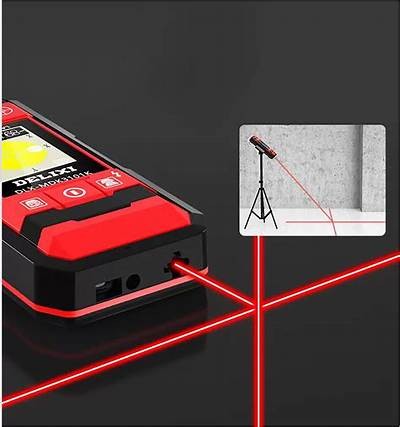
Wall scanners come in various types, each utilizing different technologies. Broadly, they can be categorized into three main types: electromagnetic (EM) scanners, ultrasonic scanners, and ground-penetrating radar (GPR) scanners. Each technology has its advantages and limitations, depending on the specific application and the type of hidden object being detected.
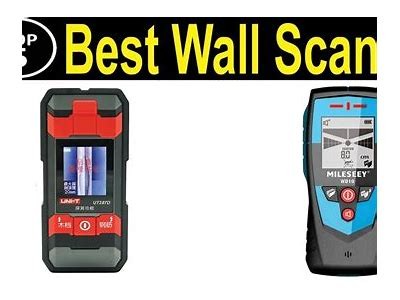
EM scanners operate by detecting variations in electromagnetic fields caused by the presence of metals or other materials within walls. They are typically user-friendly and quickly provide visual feedback. However, their effectiveness can diminish in the presence of multiple materials or complex wall structures.
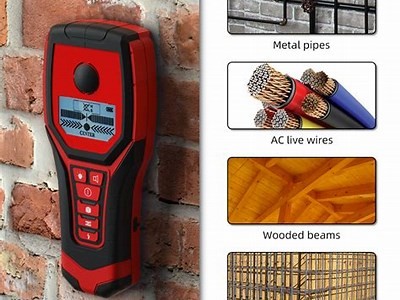
Ultrasonic scanners use sound waves to identify the boundaries of objects hidden behind walls. By emitting high-frequency sound pulses and measuring their reflections, these scanners can determine the location and density of objects. They are particularly useful for detecting non-metallic items, like wooden beams or plastic pipes, but may struggle with accuracy in thick or heavily insulated walls.
GPR utilizes radar pulses to image the subsurface, offering high-resolution data on hidden structures. It is among the most advanced techniques for wall scanning, capable of detecting a wide range of materials and providing detailed information about their depth and shape. However, GPR systems are typically more expensive and require trained operators for effective use.
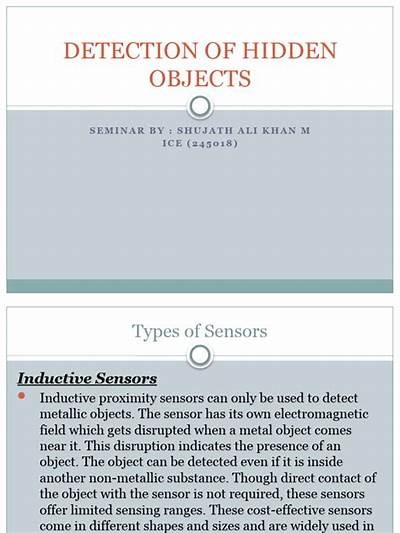
To assess the effectiveness of wall scanners, several criteria should be considered: accuracy, depth of penetration, ease of use, versatility, and cost. Here, we provide an overview of how each type of scanner stands against these criteria. Accuracy
Accuracy is paramount in identifying hidden objects to avoid potential damage during construction or renovation. EM scanners generally offer reliable detection for metallic objects but may misinterpret signals from other materials. Ultrasonic scanners demonstrate good accuracy for non-metallic items, while GPR systems excel in providing detailed and reliable information across various materials. Depth of Penetration
The depth of penetration is crucial for scanning thicker walls. GPR typically provides the deepest penetration, capable of reaching several meters with clear imaging. In contrast, EM scanners may only be effective up to a few centimeters, while ultrasonic scanners vary greatly depending on the wall composition. Ease of Use
User-friendliness can significantly affect a scanner’s adoption rate in both professional and DIY environments. While many basic EM and ultrasonic scanners are designed for ease of use, providing intuitive interfaces, GPR systems may require more training and experience. Versatility
In terms of versatility, GPR scanners are more capable of analyzing various materials in different environments. EM and ultrasonic scanners may be limited in their functionality, focusing primarily on specific materials or wall types. Cost
Cost is often a significant concern for both professionals and DIY users. Entry-level EM and ultrasonic scanners are generally more affordable, making them accessible to a broader audience. However, for those requiring advanced capabilities and higher accuracy, investing in a GPR system may prove beneficial in the long term. Real-World Testing
To validate the performance of these scanners, a series of practical tests were conducted in controlled environments simulating real-world conditions. Various hidden objects—including metallic pipes, wooden beams, and plastic conduits—were embedded in walls featuring different materials, such as drywall, concrete, and brick. Test Methodology
The methodology involved systematic scanning of each scenario using all three types of scanners. The accuracy of object detection was recorded alongside the depth of penetration achieved by each device. The results were analyzed to identify patterns in performance based on object type and wall composition. Results
The results revealed that GPR consistently outperformed the other two types of scanners, successfully identifying all tested objects in most wall types. EM scanners demonstrated high accuracy with metallic objects but faced challenges detecting non-metallic items. Ultrasonic scanners excelled when detecting wooden elements but struggled with dense materials. Conclusion
The findings from this comprehensive review and testing underscore the importance of selecting the appropriate wall scanner based on specific needs and conditions. While GPR systems offer superior performance across various materials and depths, both EM and ultrasonic scanners can be valuable tools for specific applications, especially in cost-sensitive scenarios. Future advancements in wall scanner technology could further enhance their accuracy and versatility, making them indispensable tools in construction and maintenance industries. Tags